
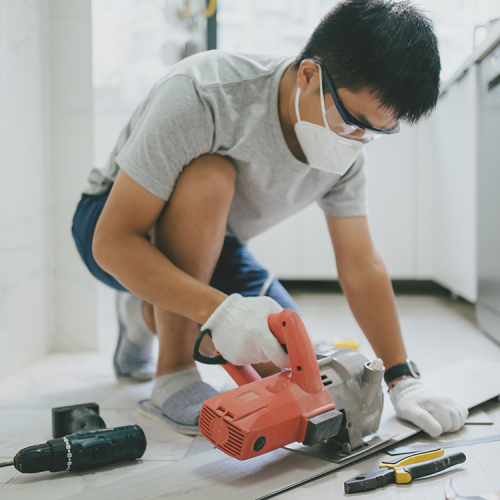
Eye injuries are often associated with industrial workplaces or sports, yet a significant portion occur inside the home during routine activities. Cleaning, cooking, yard work, and home improvement projects all expose the eyes to chemicals, debris, and blunt trauma. Fortunately, most home‑based eye injuries are preventable with proper precautions and consistent use of protective eyewear.
This updated article reflects current recommendations from national safety organizations and incorporates the 2025 revision of the ANSI/ISEA Z87.1 standard for protective eyewear.
Why Home Eye Safety Matters
Home environments present a wide range of hazards: chemical splashes from cleaning products, flying debris from DIY tasks, and sharp plant material during yard work. Updated safety reviews emphasize that many of these injuries could be avoided with appropriate protective equipment. The newly revised ANSI/ISEA Z87.1‑2025 standard outlines improved criteria for impact resistance, splash protection, and labeling of protective eyewear, reinforcing the importance of selecting properly rated eye protection.
1. Protect Your Eyes During Cleaning
Household cleaners are a leading cause of chemical eye injuries. Products such as bleach, ammonia, oven cleaners, and concentrated disinfectants can cause immediate irritation or burns if they contact the eye.
Recommendations include:
- Wearing chemical‑rated safety goggles when using strong cleaning agents
- Avoiding mixing cleaning products, which can create hazardous fumes
- Ensuring spray nozzles are pointed away from the face before use
- Washing hands thoroughly after cleaning to prevent accidental eye contact
If a chemical splash occurs, flush the eye with clean water for at least 15 minutes and seek medical care if symptoms persist.
2. Use Eye Protection for Home Improvement Projects
DIY projects are a major source of high‑velocity eye injuries. Power tools, hammers, drills, and saws can propel debris at speeds capable of causing serious damage.
Experts recommend:
- Wearing ANSI‑rated protective eyewear during any task involving impact risk
- Inspecting tools before use to ensure guards and shields are intact
- Keeping children and pets out of the workspace
- Storing tools safely to prevent accidental injuries
The ANSI/ISEA Z87.1‑2025 standard provides updated performance and testing requirements for protective eyewear used in both occupational and home settings.
3. Stay Safe During Yard Work
Yard work exposes the eyes to flying debris, branches, thorns, and dust. Even routine tasks such as mowing or trimming can send small objects airborne.
Guidance includes:
- Wearing wraparound safety goggles when mowing, edging, trimming, or using a leaf blower
- Inspecting the yard for rocks, sticks, or toys before mowing
- Being cautious around branches or vines that may snap back toward the face
These recommendations align with current home‑safety messaging from national eye‑health organizations.
4. Prevent Kitchen‑Related Eye Injuries
The kitchen contains several overlooked eye hazards. Hot oil, steam, and pressurized containers can all cause injury.
To reduce risk:
- Use a splatter guard when frying
- Open carbonated or pressurized bottles away from the face
- Keep knives and utensils pointed downward when carrying them
- Be cautious when handling spicy ingredients that can irritate the eyes
5. Reduce Digital Eye Strain
With people working from home, digital eye strain has become quite common. Symptoms may include dryness, blurred vision, headaches, and difficulty focusing after prolonged screen use.
Authoritative guidance includes:
- Following the 20‑20‑20 rule: every 20 minutes, look at something 20 feet away for 20 seconds
- Positioning screens slightly below eye level and reducing overhead glare
- Maintaining proper viewing distance and posture
- Keeping screens clean to reduce visual effort
6. Maintain Good Eye and Lens Hygiene
Proper hygiene reduces the risk of irritation and infection.
Recommendations include:
- Washing hands before touching the eyes or handling contact lenses
- Cleaning glasses and safety goggles regularly
- Replacing contact lenses as directed and avoiding overnight wear unless prescribed
- Storing lenses and cleaning solutions properly
7. Build a Home Eye Safety Kit
A home eye‑safety kit can help you respond quickly to minor injuries.
Consider including:
- Sterile saline or eyewash
- A clean eye cup
- ANSI‑rated safety goggles
- A small flashlight for inspection
- A cold compress for irritation or swelling
This is especially useful for households with children or anyone who frequently performs DIY or yard work.
When To Seek Medical Care
Seek prompt evaluation if you experience:
- Persistent pain or redness
- Sudden vision changes
- A sensation of something stuck in the eye
- Chemical exposure that does not improve after rinsing
- Any injury involving high‑velocity debris
Early treatment can prevent complications and preserve long‑term vision.
Protecting Your Vision Starts at Home
Your home should be a place of comfort, not preventable injury. By using protective eyewear, practicing safe habits, and staying aware of common risks, you can significantly reduce the likelihood of eye injuries. Updated standards and national eye‑health initiatives continue to emphasize that simple precautions make a meaningful difference in preserving vision.
Sources
The Vision Council, PR Newswire, Facility Safety Management, Prevent Blindness