
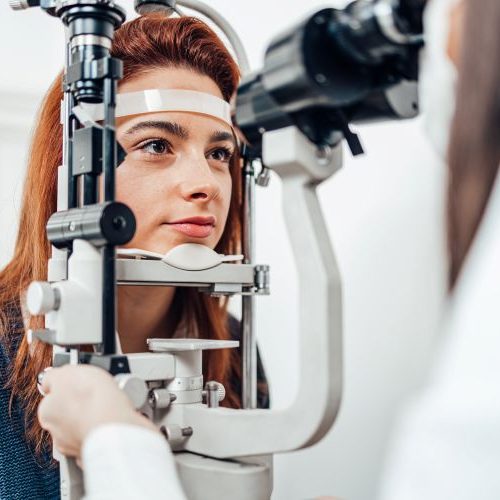
Regular eye exams do more than check if you need glasses or contacts — they can uncover serious health conditions early, like diabetes, high blood pressure, and even certain cancers. Eye care matters at every age, from children to older adults.
Not all exams are the same. From baseline screenings to recommended and ideal options, understanding the differences helps you choose the level of care that’s right for you. Read on to find out which exam best fits your needs.
Basic Vision Screening
A vision screening is a helpful first step. It can flag obvious vision problems and let you know if further testing is needed, but it doesn’t provide a full picture of your eye health.
- Quick test of how well you see letters or shapes
- Limited screening for certain conditions or diseases such as glaucoma
- Often done at schools, workplaces, or primary care offices
- Can detect obvious vision problems, but may not check overall eye health
Comprehensive Exam with Retinal Imaging
This type of exam goes deeper and typically requires an appointment with an eye care provider. By capturing detailed images of the back of your eye, an optometrist or ophthalmologist can spot early warning signs of eye disease before symptoms appear.
- Includes everything in a basic screening
- Uses special imaging to take pictures of the back of your eye (the retina)
- Helps detect early signs of eye disease, like glaucoma or macular degeneration
Comprehensive Exam with Dilation
The most thorough option, dilation allows your eye doctor to see the entire back of your eye. This exam not only protects your vision but can also reveal hidden health issues throughout the body. Because your pupils will be dilated, it’s important to plan ahead for this exam to ensure you have someone to assist you with getting around for a few hours post-exam.
- Eye drops widen (dilate) your pupils so the doctor can see the entire back of your eye
- Detects a wide range of eye diseases and systemic health conditions
- Recommended for children, adults, and especially those at higher risk of specific conditions (family history, diabetes, high blood pressure, high myopia etc.)
Quote From Our Chief Clinical Officer
A vision exam isn’t just about glasses — it’s a window into your overall health. By choosing the right exam, we can detect problems early and protect both sight and well-being for years to come.
— Neelam Gor, MD, Chief Clinical Officer, Versant Health
Eye Exams Are for Everyone
From kids spending hours on screens to adults managing chronic health conditions, regular eye exams protect both vision and overall health. Schedule yours today. Do you have Davis Vision or Superior Vision? Go here to find a provider near you.
Sources